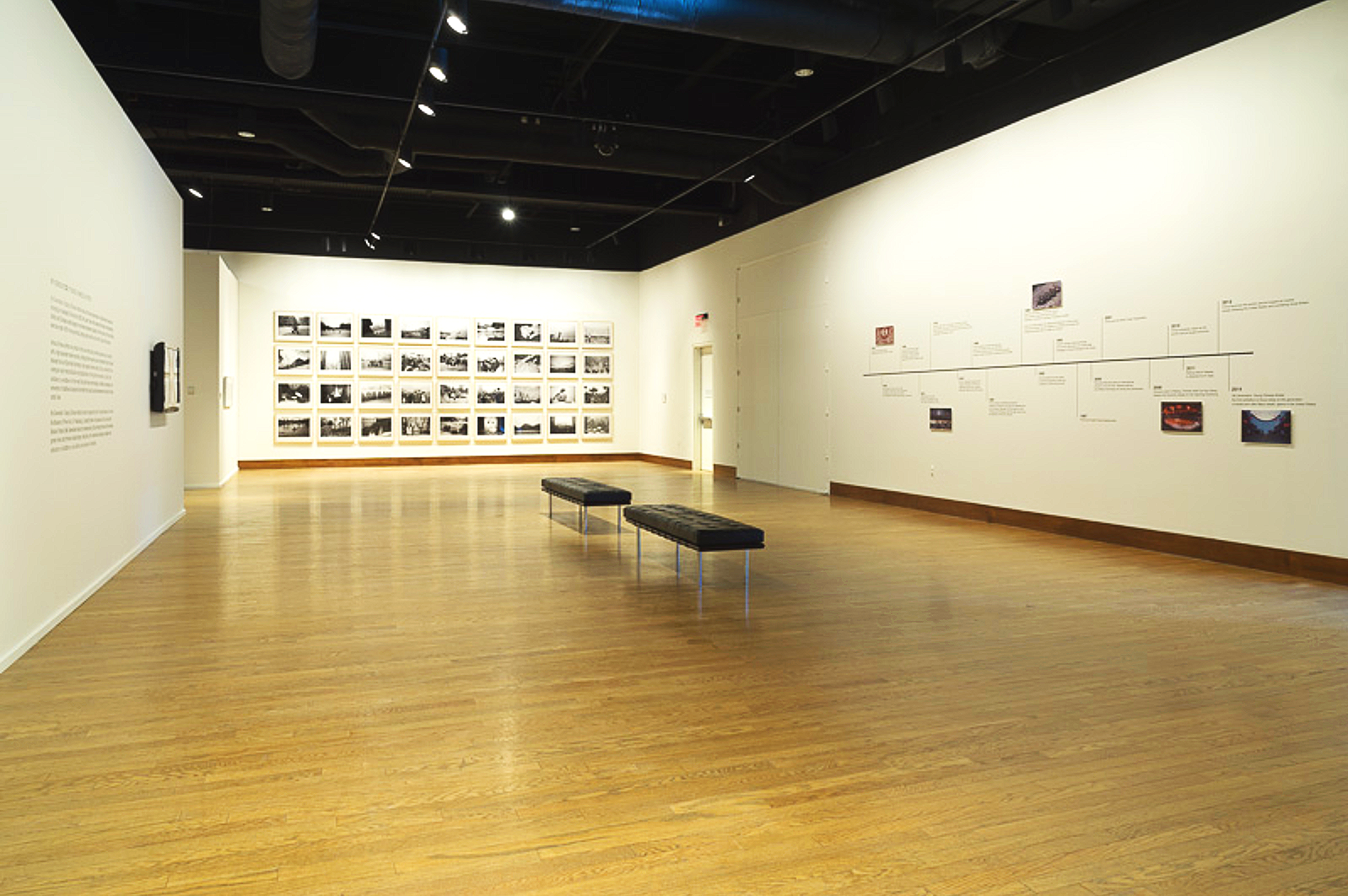
My Generation: Young Chinese Artists

Traveling Exhibition thru Tampa Museum of Art, the Museum of Fine Arts, St. Petersburg, Oklahoma City Museum of Art, Orange County Museum of Art.

2014- 2015
Caption Text Here

Stepping off the plane at Beijing’s new Norman Foster–designed All have studied at major art schools, both in China and abroad. All are Terminal 3 for the first time can be a shock. Beneath a roof designed to mimic a dragon’s tail, your first encounter is with a bank of luxury boutiques—Chanel, Ferragamo, and Lacoste—surprisingly commercial venues in a Communist country. There are no red flags, and the only scrap left of the Cultural Revolution is the Shanghai Tang outlet hawking silk versions of Mao jackets. The taxi line awaits you, obviously free of rickshaws, and a brand-new VW sedan speeds you to the city on an eight-lane superhighway. It is all unabashedly modern, even futuristic, especially when compared with the decades-old infrastructure of most American cities. 
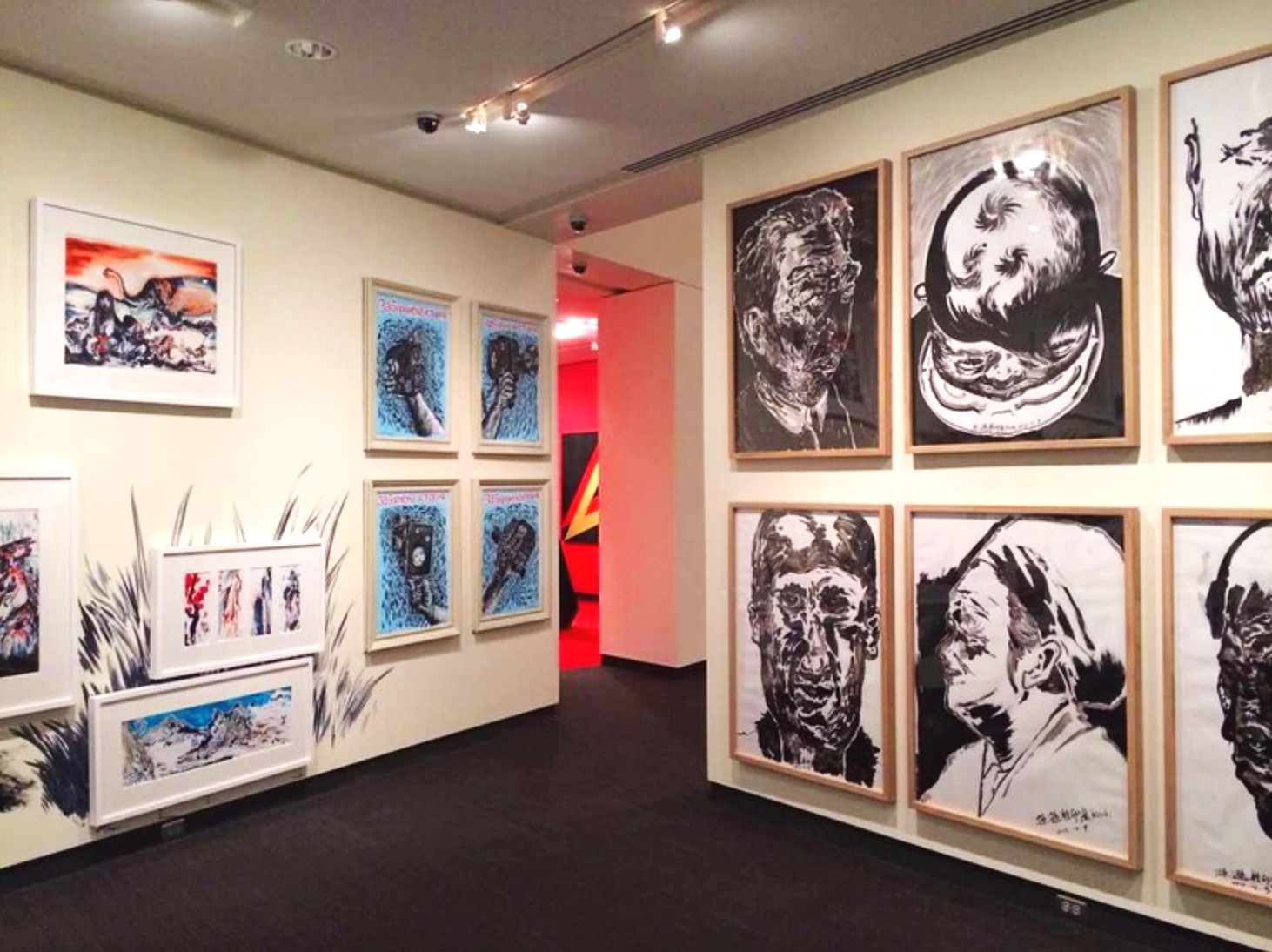
It is imperative that you readjust your impressions of China to this contemporary landscape, a place that has substituted pagodas, temples, and statues of either Buddha or Mao with skyscrapers, shopping malls, and cell phone towers, in order to appreciate the artists in the exhibition My Generation: Young Chinese Artists. For it is this generation, born after 1976, the year Mao died, that best represents 21st-century China. Without reorientation, their artworks may confuse American viewers, who have come to expect Chinese references in their Chinese contemporary art, either appropriations of Cultural Revolutionary iconography or installations referencing Qing dynasty designs. Instead, what you will find are creations that are confidently “Made in China,” without having to reassert an identity of Chinese-ness to find a place in the international art world. 

It is only appropriate that, at this moment in history and art history, such a reorientation should take place. By now, with the rise of international biennials and art fairs, and an abundance of websites spreading information on international art developments, it is high time for art audiences to be aware of the latest advances taking place in China, one of the most powerful and charismatic art centers in the world today. With the advent of globalization in the art world, many have moved beyond New York and London to look to the East for new talents, trends, and styles. Some have even predicted that China—with its economic prowess and abundance of talented artists—will be the site of the first great art movement of the 21st century. Others still question whether creativity can blossom in a country with strict government censorship, but few can doubt the rise of China’s contemporary artists who have made their mark on museum exhibitions as well as set auction records. 

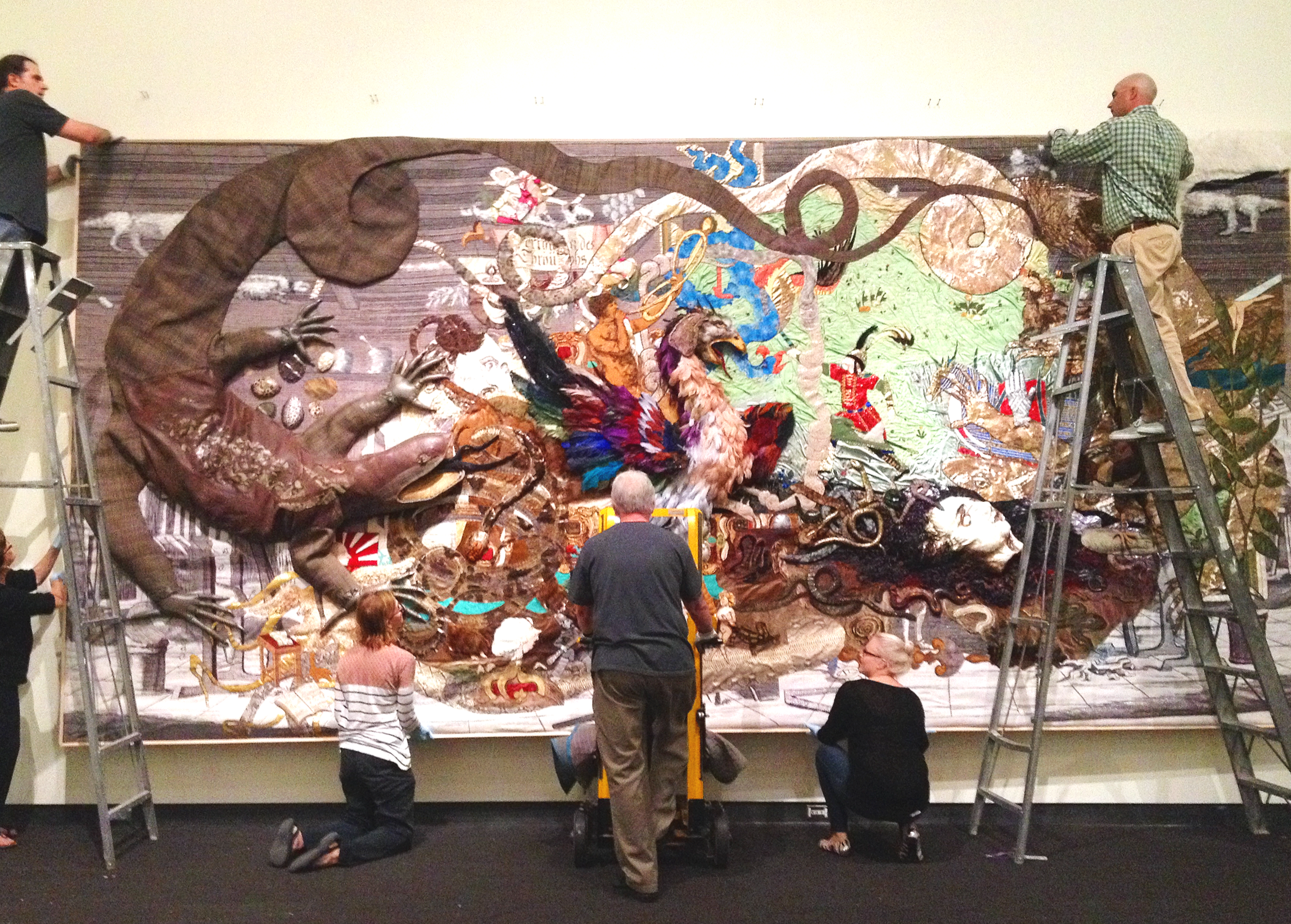
My Generation: Young Chinese Artists features 27 artists ranging in age from 27 to 36, all of whom I have interviewed over the past three years of extensive travel in China. They come from every region in China, from out west in Xianjiang province to Liaoning province near the North Korean border, though none of the works can be categorized as regional. 

Caption Text Here

Participating Artists

Birdhead
Chen Wei
Chi Peng
Cui Jie
douBle Fly art Center
Fang lu 
guo hong
Wei hu
Xiangqian
hu Xiaoyuan
huang ran
irrelevant Commission
Jin shan 
liang yuan
Wei liu
Chuang liu di
lu yang 
ma qiusha
qiu Xiao
Feishi
Zhiying
song Kun
sun Xun
Wang yuyang
Xu Zhen/made in yan
Xing 
Zhang ding
Zhao Zhao
Zhou yilun 

Caption Text Here

All have studied at major art schools, both in China and abroad. All Terminal 3 for the first time can be a shock. Beneath a roof designed to mimic a dragon’s tail, your first encounter is with a bank of luxury boutiques—Chanel, Ferragamo, and Lacoste—surprisingly commercial venues in a Communist country. There are no red flags, and the only scrap left of the Cultural Revolution is the Shanghai Tang outlet hawking silk versions of Mao jackets. The taxi line awaits you, obviously free of rickshaws, and a brand-new VW sedan speeds you to the city on an eight-lane superhighway. It is all unabashedly modern, even futuristic, especially when compared with the decades-old infrastructure of most American cities. 

It is imperative that you readjust your impressions of China to this contemporary landscape, a place that has substituted pagodas, temples, and statues of either Buddha or Mao with skyscrapers, shopping malls, and cell phone towers, in order to appreciate the artists in the exhibition My Generation: Young Chinese Artists. For it is this generation, born after 1976, the year Mao died, that best represents 21st-century China. Without reorientation, their artworks may confuse American viewers, who have come to expect Chinese references in their Chinese contemporary art, either appropriations of Cultural Revolutionary iconography or installations referencing Qing dynasty designs. Instead, what you will find are creations that are confidently “Made in China,” without having to reassert an identity of Chinese-ness to find a place in the international art world. 

It is only appropriate that, at this moment in history and art history, such a reorientation should take place. By now, with the rise of international biennials and art fairs, and an abundance of websites spreading information on international art developments, it is high time for art audiences to be aware of the latest advances taking place in China, one of the most powerful and charismatic art centers in the world today. With the advent of globalization in the art world, many have moved beyond New York and London to look to the East for new talents, trends, and styles. Some have even predicted that China—with its economic prowess and abundance of talented artists—will be the site of the first great art movement of the 21st century. Others still question whether creativity can blossom in a country with strict government censorship, but few can doubt the rise of China’s contemporary artists who have made their mark on museum exhibitions as well as set auction records. 

My Generation: Young Chinese Artists features 27 artists ranging in age from 27 to 36, all of whom I have interviewed over the past three years of extensive travel in China. They come from every region in China, from out west in Xianjiang province to Liaoning province near the North Korean border, though none of the works can be categorized as regional. 

Caption Text Here

Reviews

Exhibit Showcases 27 Young Artists, China Daily, 2013

Talking About “My Generation”, Oklahoma City Museum of Art, November 2014

REVIEW: "My Generation: Young Chinese Artists" @ Tampa Museum of Art and Museum of Fine Arts, St. Petersburg Arts Asia Pacific on Artsy, September 2014

My Generation, Radian, September 2014

Young Chinese Artists Make U.S. Debut At 2 Tampa Bay Area Art Museums, 83 Degrees, June 2014

A New Generation of Chinese Artists, Art in America, July 2014

My Generation: Young Chinese Artists On Display In St. Petersburg/Tampa, WUSF NPR, June 2014

This art critic just can't wait to gush about young Chinese art exhibit, Tampa Bay Times, June 2014

Review: Fantastic works of young Chinese artists bridge the bay, Tampa Bay Times June, 2014

My Generation, Arts Districts, 2014

Groundbreaking Exhibition Features 27 Emerging Artists from China, Art Fix, Daily 2014

Young Chinese Artists, Huff Post, 2014

The Ends of the Earth, Art Forum China, 2014

A New Generation of Chinese Art Visits Tampa and St. Petersburg, Buddhist Art News, 2014

The Museum of Fine Arts St. Petersburg Co-Hosts "My Generation: Young Chinese Artists", WTSP Tampa, 2014

Artscapes: Chinese Art Gets West Coast Debut at OCMA, Newport Beach Indy, September, 2015

China's Millennial Women Artists: A New Generation, Artist Talk at Asia Society, 2015

My Generation: Young Chinese Artists at OKCMOA, Kolaj Magazine, January 2015

The Young Generation of Chinese Artists and Their Ambitions, California State University, Fullerton, August 2016